Digital Authentication Protocols Explained
Digital authentication protocols are essential in today’s technology-driven world. They ensure secure access to online systems, protect sensitive information, and provide confidence in digital transactions. From logging into email and social media to online banking, these protocols verify user identity and safeguard data integrity.
With stricter regulations like GDPR, organizations must secure personal data with encryption, password protection, and controlled access. Digital authentication protocols play a critical role in meeting these requirements and preventing unauthorized access.
Types of Digital Authentication Protocols
Digital authentication protocols vary in complexity and application. Understanding the main types helps organizations implement the right solution for their environment.
Password-Based Protocols
Password-based protocols are the simplest and most widely used. Users prove their identity by entering a secret password, which the server verifies. However, this method is vulnerable to password-guessing attacks and requires secure storage to prevent breaches.
Certificate-Based Protocols
Certificate-based protocols enhance security by relying on cryptographic keys rather than passwords. Users prove ownership of a private key while the server validates the corresponding public key. This method is common in e-commerce and online financial transactions, ensuring both privacy and data integrity.
Biometric Protocols
Biometric authentication uses unique physical characteristics, such as fingerprints, facial features, or iris patterns, to verify identity. Biometrics are highly secure and convenient since data is difficult to replicate. This approach is increasingly adopted in mobile devices and secure access systems.
Token-Based Protocols
Tokens, such as smart cards or cryptographic devices, provide a second layer of authentication. Memory tokens store user information and release it with a PIN, while cryptographic tokens generate secure keys for remote access. Protocols like SSL and S-HTTP use token-based authentication to protect sensitive communications.
Advantages and Disadvantages
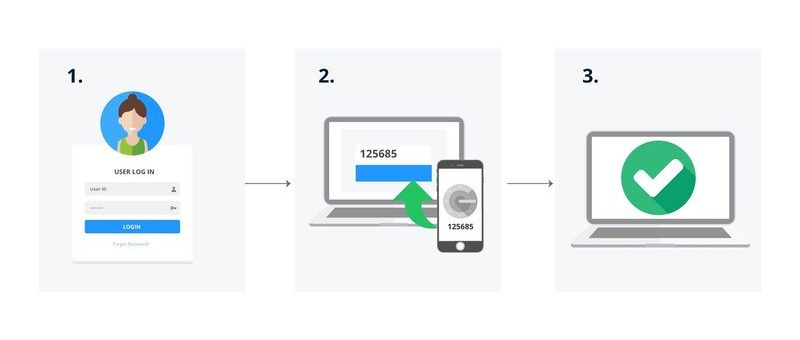
Modern digital authentication protocols offer improved security and convenience. They streamline access across multiple devices while supporting multi-factor authentication (MFA). MFA adds an extra layer by requiring multiple forms of verification, further reducing unauthorized access risks.
However, these protocols can present challenges. Organizations may face higher implementation costs, complex infrastructure requirements, and potential privacy concerns. Despite this, the benefits—stronger security, regulatory compliance, and better user experience—make these protocols essential in the digital era.
Implementation Considerations
Implementing digital authentication protocols requires alignment with organizational goals. They are a key part of a broader digital strategy, enabling safe online services, remote operations, and citizen-centric delivery models. Leaders must balance security assurance with innovation while ensuring users can adopt new digital identities efficiently.
ZippyOPS helps organizations implement robust authentication protocols with consulting, implementation, and managed services. Their expertise spans DevOps, DevSecOps, DataOps, Cloud, Automated Ops, AIOps, MLOps, Microservices, Infrastructure, and Security. This ensures secure digital transformation while maintaining operational efficiency.
Future Trends and Challenges for Digital Authentication Protocols
As cloud computing and mobile devices become more prevalent, digital authentication protocols must evolve. Traditional client-server methods are expanding to mobile apps, multi-tenant environments, and continuous remote authentication. Biometric and device-based verification are increasingly integrated to improve security while maintaining user convenience.
Organizations must adapt protocols to new input devices, interaction methods, and continuous verification requirements. This proactive approach reduces risks, strengthens compliance, and protects sensitive data in dynamic digital ecosystems.
Conclusion
Digital authentication protocols are the backbone of secure online access. They protect sensitive information, support regulatory compliance, and enable modern digital services. By integrating advanced protocols with expertise from ZippyOPS, organizations can secure cloud, mobile, and infrastructure systems effectively while maintaining user convenience and operational efficiency.
For professional consultation and support, contact [email protected].