Zero-Trust IoT Security: Principles and Benefits
Zero-Trust IoT Security is transforming how organizations protect connected devices by removing implicit trust and continuously validating every interaction. As IoT adoption grows, businesses must shift from traditional security models to approaches that prioritize verification, context, and device authentication.
For decades, networks followed a hub-and-spoke model, where users accessed resources through a central data center. This castle-and-moat design relied on firewalls and VPNs to protect the perimeter. However, with cloud computing, remote work, and AI-driven IoT applications, routing all traffic back to a central hub has become inefficient. Organizations now require architectures that provide secure, direct access to applications without sacrificing safety.
ZippyOPS offers consulting, implementation, and managed services to help businesses adopt modern security frameworks, including DevOps, DevSecOps, DataOps, Cloud, Automated Ops, AIOps, MLOps, Microservices, Infrastructure, and Security. Explore our services, solutions, and products for a complete approach.
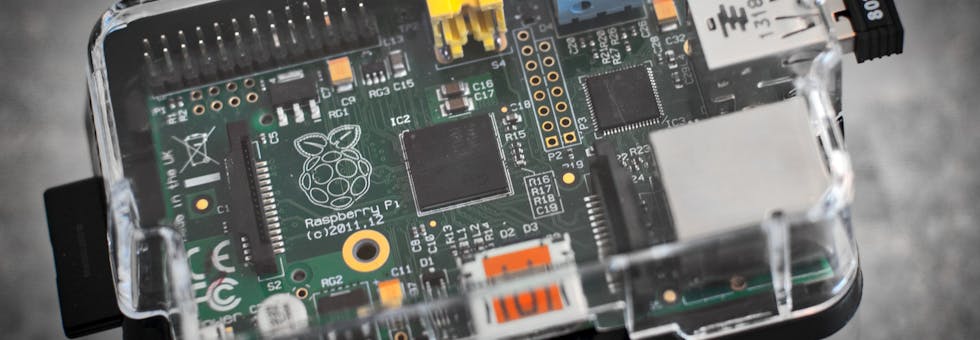
Understanding IoT Security Challenges
IoT devices introduce unique risks because they operate at the network edge and often use limited security features. Organizations need solutions that provide constant visibility into device behavior and enforce strict access controls.
Key Principles of Zero-Trust IoT Security
- Least-Privilege Access: Devices and users receive only the permissions required for their tasks, reducing potential attack surfaces.
- Continuous Verification: Authentication is ongoing, not just at initial login, ensuring threats are detected in real time.
- Context Analysis: Monitoring device integrity, user behavior, and network access helps prevent unauthorized activities.
- Device Authentication: IoT devices such as sensors and cameras are authenticated to secure communications and prevent breaches.
How Security Models Are Evolving
Traditional network security relies on perimeter defenses and implicit trust. In contrast, modern frameworks emphasize verification, minimal access rights, and dynamic policy enforcement. By adopting these practices, organizations can maintain security even as users and devices operate beyond the traditional network.
Companies Leading in Zero-Trust IoT Security
Several organizations have successfully implemented zero-trust for IoT:
- Sectrio: Provides OT/ICS IoT solutions with strict trust-no-one policies.
- Palo Alto Networks: Uses agentless IoT security for unmanaged devices, enforcing zero-trust access.
- PTC: Focuses on proactive monitoring of devices and user activity.
- Armis: Offers real-time inventory management and risk assessment for managed and unmanaged devices.
- Amazon Web Services (AWS): Implements NIST 800-207-aligned IoT security, authenticating devices and enforcing least-privilege access.
ZippyOPS helps organizations adopt similar frameworks with consulting and managed services tailored to IoT security, cloud, and infrastructure environments. For tutorials and demos, see our YouTube channel.
Benefits of Modern IoT Security
- Enhanced Security: Continuous verification and strict access controls reduce risks from breaches.
- Flexibility and Scalability: Users can access applications anywhere, while networks remain secure.
- Improved Performance: Direct cloud connectivity reduces latency and boosts efficiency.
- Regulatory Compliance: Aligns with GDPR, HIPAA, and industry best practices through granular access control and monitoring.
By embracing zero-trust principles, organizations can secure IoT ecosystems while maintaining performance, flexibility, and regulatory compliance. ZippyOPS supports this transition with end-to-end services across DevOps, Cloud, Microservices, and Security.
For a professional consultation on implementing Zero-Trust IoT Security, email us at [email protected].